Why Is One Tooth Going Dark?
29th March 2026
Here’s What It Means and What We Can Do
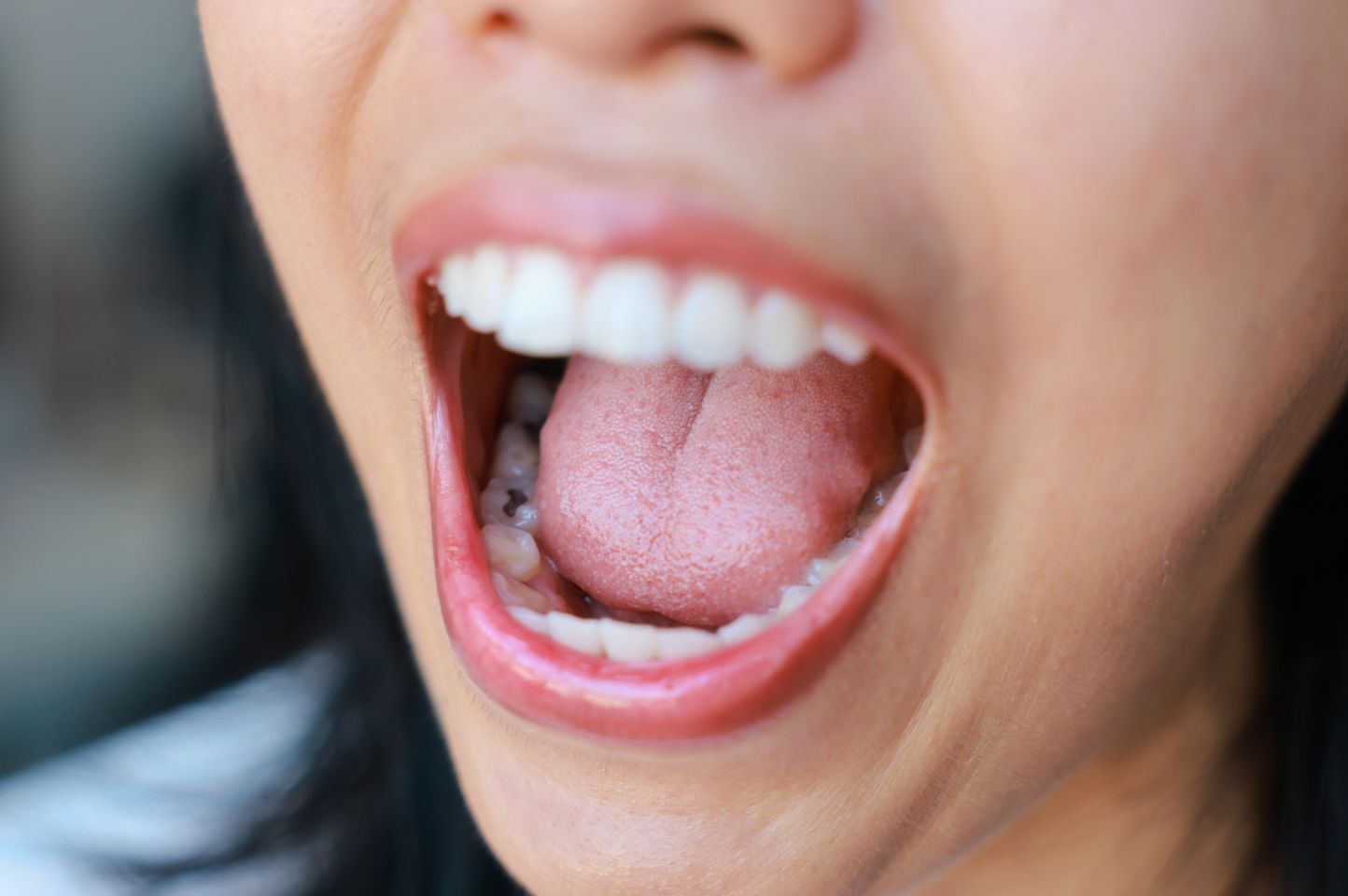
Your teeth tell a story that goes deeper than the surface. Changes in colour, particularly when it’s just one tooth going dark, are rarely cosmetic coincidences. More often, they’re your body’s way of telling you that something beneath the surface needs attention. The sooner you listen, the simpler the fix tends to be.
Have you noticed one of your teeth looking darker than the rest? Maybe it started as a subtle grey tinge and now it’s noticeably brown or black. Let’s break down what’s actually going on and what your options are.
Why Is Just One Tooth Going Dark?
A tooth doesn’t change colour without a reason. The fact that it’s just one tooth is actually an important clue. Here are the most common causes:
The tooth has died
Inside every tooth is a soft inner layer called the pulp, which contains nerves and blood vessels. If that pulp becomes damaged — from decay, injury, or infection — it can die. When this happens, the blood vessels break down and the pigment leaks into the surrounding tooth structure, causing it to turn grey or black from the inside out.
Old fillings
Silver amalgam fillings are notorious for causing discolouration over time. As they age, they can leach a greyish tint into the tooth around them, making the whole tooth look dark even if it’s otherwise healthy.
Trauma
If you’ve ever taken a knock to the mouth — even years ago — that tooth may darken gradually as a delayed response to the injury. Many people don’t even connect the two until a dentist points it out.
Decay
Advanced tooth decay eats through the enamel and reaches the deeper layers, turning the tooth dark brown or black. This is usually accompanied by pain or sensitivity, though not always.
Is One Dark Tooth Something to Worry About?
It depends on the cause. But if the darkening is coming from within the tooth — especially if it’s just one — it usually signals that something is wrong underneath. Left untreated, a dead or infected tooth can develop an abscess, cause pain, and even affect the surrounding teeth and bone.
So yes, it’s worth getting it checked sooner rather than later.
What We Can Do About It
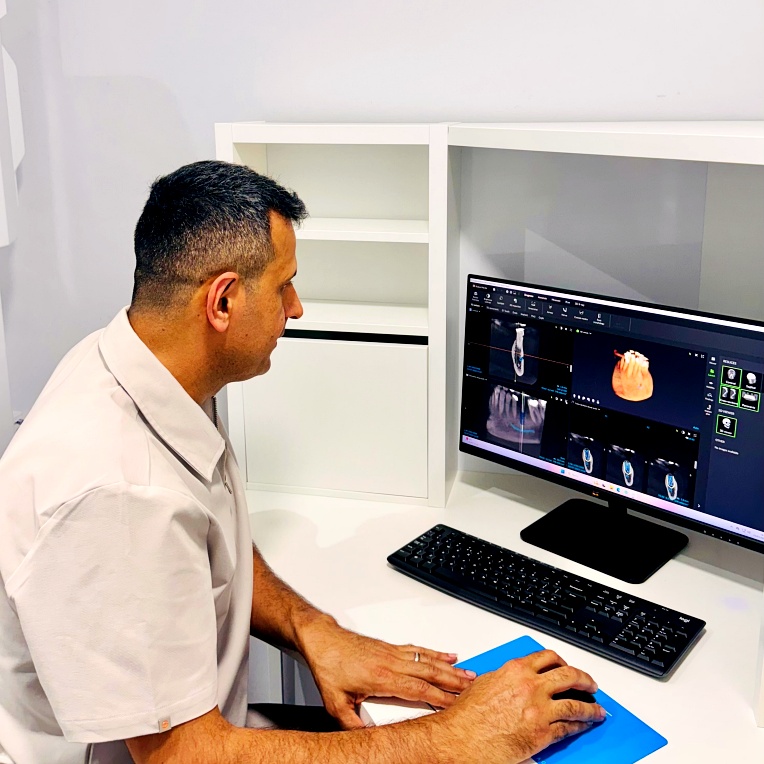
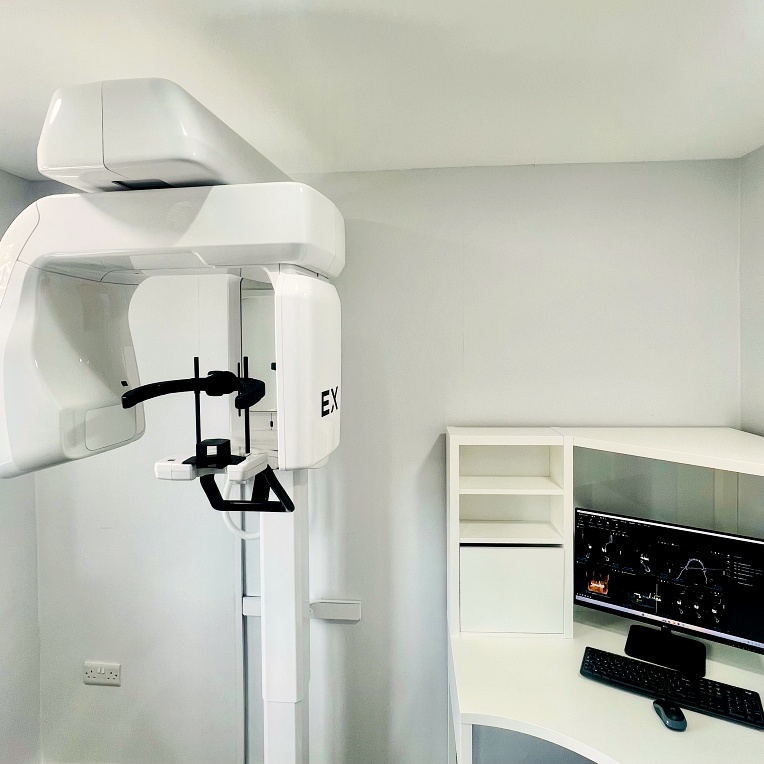
The right treatment depends on what’s causing the discolouration. At Moltons, we start with a thorough evaluation — a detailed clinical examination alongside 2D and 3D radiographs to assess the internal structure of the tooth and detect anything that isn’t visible to the naked eye. We also carry out vitality testing to determine whether the pulp is still alive, and assess your oral hygiene, diet, and lifestyle to understand any factors that may be contributing to tooth stress.
Dependent on the underlying issue, treatment options may include:
Root canal treatment
If the tooth has died or become infected, a root canal removes the damaged pulp, clears out the infection, and seals the tooth. It has an unfair reputation for being painful — in reality, it relieves pain rather than causes it. Once treated, we can then work on restoring its colour.
Internal bleaching
After a root canal, we can apply a whitening agent inside the tooth itself to lighten it from within. This is one of the most effective ways to restore a darkened tooth and can produce dramatic results.
A crown or veneer
If the tooth is heavily discoloured or structurally weakened, a crown or veneer can cover it completely, restoring both the colour and the strength of the tooth. Modern ceramic options look completely natural.
Replacing old fillings
If an old amalgam filling is the culprit, replacing it with a tooth-coloured composite can make a significant difference to both the appearance and health of the tooth.
When Should You Come In?
As soon as you notice it. The earlier we catch the underlying cause, the more straightforward the treatment tends to be. A darkening tooth is your body’s way of flagging that something needs attention.
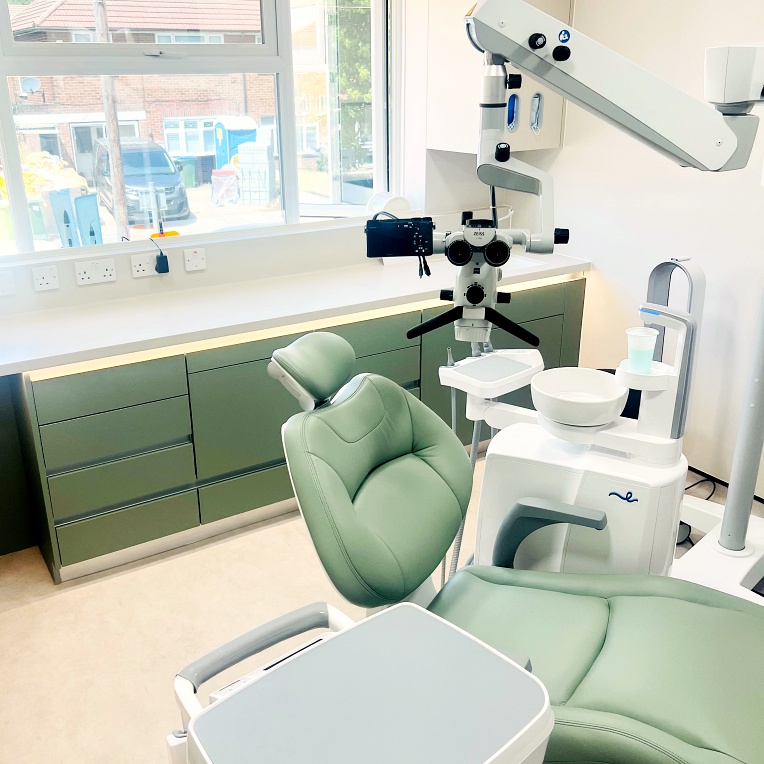
If you’ve been putting it off because you’re worried about what you might hear, we understand. But at Moltons, our job is to give you options, not judgment. We’ll always explain exactly what’s happening and what we recommend before we do anything.
A dark tooth won’t fix itself — but we can.
Book a consultation with Dr Marta Sarvestani at Moltons Dental & Aesthetics. With over 22 years of experience, Dr Marta specialises in endodontics, restorative and cosmetic dentistry, and is known for making every patient feel at ease — no matter how nervous you may be feeling. Maybe add a picture.
Call us on 01322 523 813, email info@moltons.co.uk or book online at moltons.co.uk.
This blog is for general information purposes only and does not replace professional dental advice. If you are concerned about your dental health, please contact your dentist.
Back to blogs